


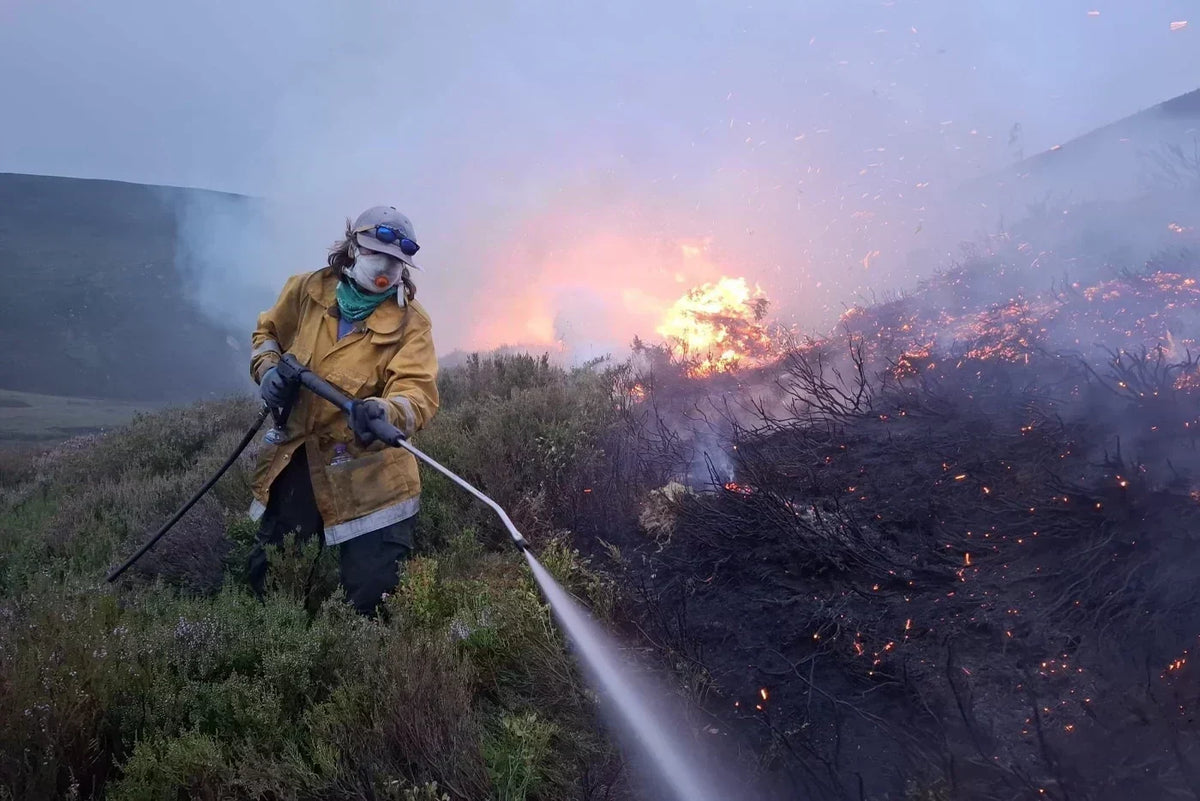
Scotland is one of the finest touring destinations in Europe. But the same landscapes that make it so spectacular, ancient heather moorland, Caledonian pine forests and deep peat bogs, can, in the right conditions, become a serious wildfire risk. The recent wildfire incidents at home and abroad have brought that reality home for visitors, residents and land managers alike. Here's what every caravan and motorhome owner should know before they head into the hills.
Summer touring in Scotland is all about exploring incredible landscapes, from the Highlands to remote coastal routes. But with more frequent periods of dry weather, it's more important than ever that we all take care of the places we love to visit.
We've put together some simple wildfire safety tips every caravan and motorhome owner should know before heading off on their next adventure.
THINK CAREFULLY BEFORE LIGHTING AN OPEN FIRE
A significant proportion of wildfires in Scotland are caused by human activity. That means the decisions we make as visitors can have a real impact.
Even where open fires are technically permitted under the Scottish Outdoor Access Code, conditions should always determine whether it's safe to light one. If the ground is dry and there hasn't been significant rainfall for several days, it is not the day for a campfire, regardless of what the rules technically allow.
No evening around a fire is worth risking a wildfire.
|
Tip: Before you travel, always check whether bans are in place in the area you are visiting before you arrive and respect them without exception. |
THINK TWICE BFORE USING A DISPOSABLE BARBECUE
Nothing beats eating outdoors after a day of exploring, but during periods of hot, dry weather, disposable barbecues present one of the greatest wildfire risks.
The base becomes extremely hot and can ignite dry grass, heather or peat beneath them, even after the flame appears to have gone out. Every year, discarded barbecues are responsible for preventable countryside fires.

If you are touring during dry conditions:
- Avoid disposable barbecues wherever possible
- Use campsite cooking facilities or designated barbecue areas if they are available
- If you do use a barbecue, place it on a stable, non-flammable surface well away from vegetation
- Never leave it unattended
- Allow it to cool completely before disposing of it safely.
When wildlife risk is high, the safest choice is to leave the barbecue packed away altogether. A picnic or meal cooked safely inside your vehicle is far preferable to risking Scotland's countryside.
CAMPING STOVES ARE A SAFER ALTERNATIVE
A gas camping stove is a much safer option than an open fire or disposable barbecue. The flame is controlled, there are no flying embers, and heat is concentrated where you need it. They are also quicker to use and far more practical when touring.

However, remember that a camping stove still uses an open flame. Always use it on a stable, non-flammable surface, well away from dry vegetation, and follow any local fire restrictions or campsite rules.
DISPOSE OF CIGARETTES RESPONSIBLY
A lit cigarette in dry vegetation is all it takes. This is not a theoretical risk, it is a documented and recurring cause of wildfires across Scotland and the wider UK.
If you smoke, use a proper portable ashtray and ensure everything is fully extinguished before disposal. Never flick a cigarette end out of a vehicle window or drop one on the ground, especially in rural areas.
PARK WITH THE LANDSCAPE IN MIND
This one is less well known, but worth understanding. A hot exhaust system in contact with dry vegetation can ignite a fire, particularly after a long motorway run when the exhaust is at its hottest.
When stopping in rural areas, avoid parking over long grass, heather or other dry vegetation. Whenever possible, choose hard standing, gravel or bare ground.
It's a simple precaution that can prevent a serious incident.
CHECK THE WILDFIRE RISK RATING BEFORE YOU TRAVEL
The Scottish Fire & Rescue Service publishes wildfire risk information during high-risk periods. National parks and land management bodies issue alerts and access restrictions when conditions are dangerous.
Before travelling into remote or upland areas, check the latest conditions. If the wildfire risk is rated 'Very High' or 'Extreme', reconsider your plans and avoid lighting any kind of fire or barbecue.
KNOW HOW TO EVACUATE QUICKLY
Prevention is the priority, but preparation matters too. If you're staying near woodland, forestry or moorland during dry conditions, keep your vehicle in a state where it can be moved without significant delay. Awnings, bike racks and levelling systems all take time to reverse under pressure. In a wildfire situation, the window between a warning and an urgent evacuation can be very short.
A motorhome may simply need the engine started and essentials packed away, but caravans can take longer to prepare. Disconnecting electric, winding up steadies, removing wheel chocks and hitching up all take valuable time. If you have a caravan, consider where you have parked your car and whether you could hitch up quickly if conditions changed.
When you arrive at any site, take a moment to note where the exits are and how you'd get your vehicle out in an emergency. It takes less than a minute and could make all the difference.
FOLLOW OFFICIAL ADVICE IMMEDIATELY
In a dynamic wildfire situation, conditions can escalate rapidly and condition can change within minutes. If campsite staff, emergency services or local authorities ask you to leave, don't wait to see what happens.
Monitor the Scottish Fire & Rescue Service, Police Scotland, and the relevant national park or land management body on social media during any period of elevated risk. These organisations push updates quickly and being informed gives you the best possible chance to respond quickly if circumstances change.
QUICK WILDFIRE SAFETY CHECKLIST FOR TOURERS✅ Check local wildfire risk levels before travelling |
RESPECT THE LANDSCAPE YOU ARE VISITING
Scotland's forest, mountains and moorlands are among the country's greatest treasures. Many habitats affected by wildfire can take decades, or even centuries, to recover.

We know how special exploring Scotland's landscapes can be. By making a few sensible decisions during your trip, you will help protect these special places for generations of tourers.
If there's any doubt, don't light it. The view from the pitch is just as breathtaking without a fire in front of it.
FROM TCC SERVICESKEEPING YOUR ADVENTURES SAFEWe are proudly based in Aberdeenshire and care deeply about the landscapes our customers love to explore. Whether you have questions about leisure vehicle gas safety or need advice on keeping your caravan or motorhome road-ready, get in touch with us. We are always happy to help. |
